
Monopoly Market: How One Company Can Control an Entire Industry
Introductionhttps://www.equirus.com/wealth/glossary/monopoly
Monopoly market is very power full market and business fight customers.
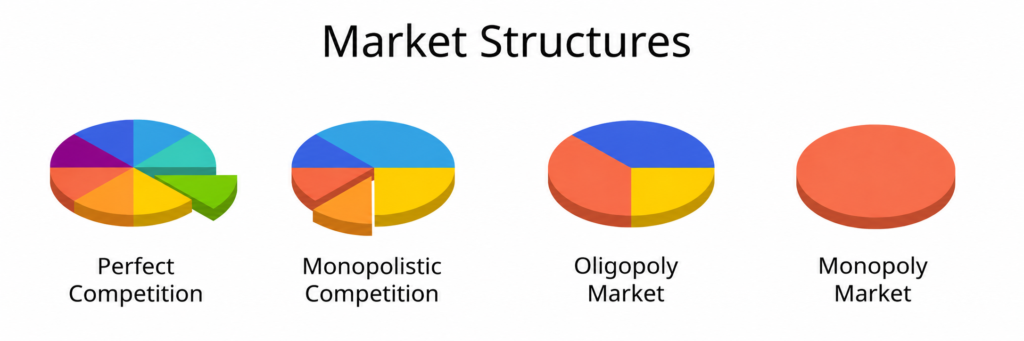
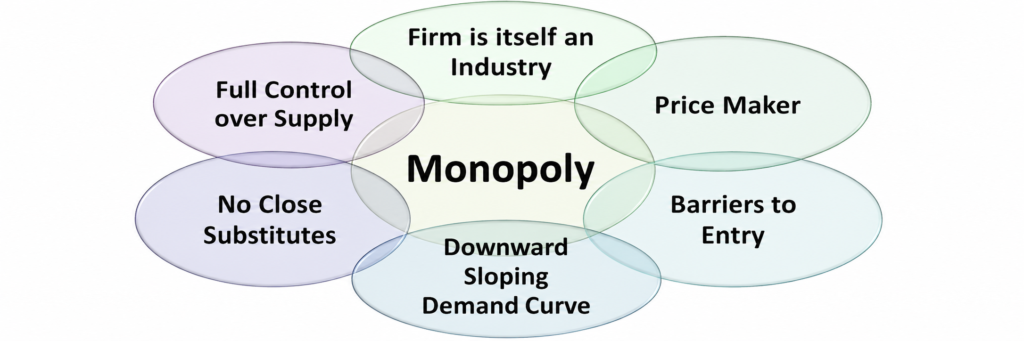
monopoly market works this way.
In some industries, one company becomes so powerful that it controls almost the entire market. Customers may not have many alternatives, and smaller businesses often struggle to compete. This situation is called a monopoly market.
Monopoly markets exist in many parts of the world. You can see monopoly-like situations in electricity distribution, railway systems, internet services, software platforms, and even digital technology industries. These companies gain strong control over pricing, supply, and customer demand.
Understanding monopoly markets is important not only for economics students but also for business owners, digital marketers, and SEO professionals. Market structure directly affects business growth, competition, and online visibility.
In this article, we’ll explore what a monopoly market is, how it works, its main features, advantages, disadvantages, real-world examples, and its growing impact in today’s digital economy.
What is a Monopoly Market?
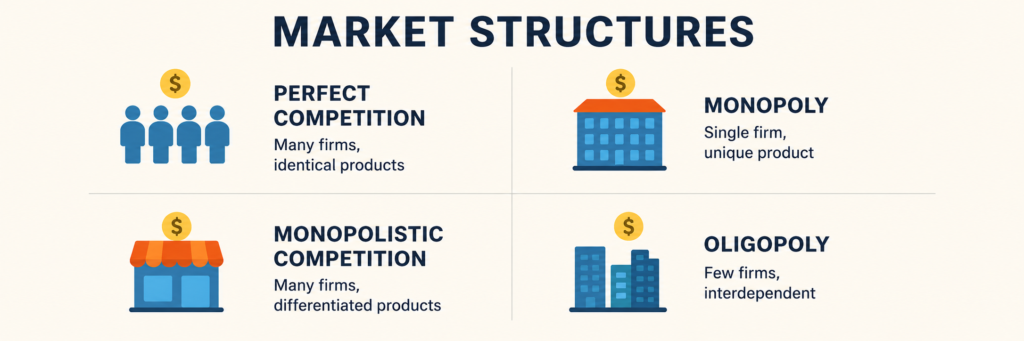
Since there are no major competitors, the company becomes the dominant force in that industry.
The word “monopoly” comes from two Greek words:
- Mono = One
- Poly = Seller
Together, the term means “single seller.”
Imagine living in a town where only one company provides electricity or internet service. Even if prices increase, customers still need the service because there are no practical alternatives available.
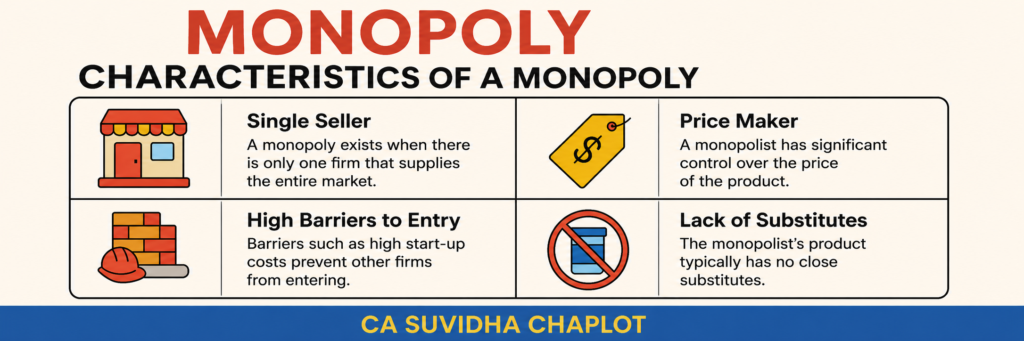
Single Seller: In a monopoly market, there is only one dominant company or seller controlling the entire industry.
Main Features of Monopoly Market

1. Single Seller
In a monopoly market, there is only one dominant company or seller controlling the entire industry.
2. Limited Competition
In a market with limited competition, there aren’t thousands of sellers (like in perfect competition), but it isn’t restricted to just one seller either (like a monopoly). Instead, only a few select companies dominate the entire industry.
3. Price Control
businesses in competitive markets, monopoly companies can influence prices according to their business strategy.
4. High Entry Barriers
New companies often struggle to enter monopoly industries because of:
- Huge capital requirements
- Government regulations
- Patent protection
- Advanced technology ownership
These barriers protect monopoly firms from competition.
5. Limited Consumer Choice
Customers usually have fewer alternatives available, which increases dependence on the monopoly company.
Types of Monopoly Market
Natural Monopoly
A natural monopoly occurs when one company can provide services more efficiently than multiple companies.
Examples include:
- Electricity distribution
- Water supply systems
- Railway networks
Building separate infrastructure for competitors would be extremely expensive.
Legal Monopoly
company that is granted exclusive rights by the government to be the sole provider of a product or service, often protected through patents, copyrights, or public utilities.
Examples:
- Patent-protected medicines
- Copyright-based industries
Technological Monopoly
Technology companies may dominate industries because of advanced systems or unique platforms that competitors cannot easily replicate.
Government Monopoly
In some industries, the government itself controls services such as postal systems or public transportation.
How Monopoly Markets Work

Since competition is weak or absent, monopoly firms can:
- Control production levels
- Influence market prices
- Reduce or increase supply
- Dominate customer demand
For example, if only one internet provider exists in a city, customers may continue paying high prices simply because there are no alternatives available.
In some cases, monopoly firms intentionally reduce supply to increase prices and improve profits.
Advantages of Monopoly Market


Although monopoly markets are often criticized, they do offer some benefits in specific situations.
Large Scale Production
Monopoly companies can operate on a large scale, which may reduce production costs.
Better Infrastructure
Large firms often invest heavily in infrastructure and technology.
Research and Innovation
Strong profits allow monopoly companies to spend more on research and development.
Stable Services
Government monopolies sometimes provide stable long-term services without constant disruption.
Disadvantages of Monopoly Market

Despite some advantages, monopoly markets can create serious problems.
Higher Prices
Without competition, companies may charge very high prices.
Limited Consumer Freedom
Customers often have fewer choices available.
Reduced Product Quality
Some monopoly firms stop improving quality because competitors are absent.
Slow Innovation
Competition usually drives innovation. Without it, progress may slow down.
Market Exploitation
Monopoly companies can misuse their market power to dominate consumers and smaller businesses.
Monopoly Market vs Perfect Competition

| Monopoly Market | Perfect Competition |
|---|---|
| One dominant seller | Many competing sellers |
| High price control | Low price control |
| Limited competition | Strong competition |
| Difficult market entry | Easy market entry |
| Higher profits | Normal profits |
Competitive markets force businesses to improve continuously, while monopoly firms often face less pressure.
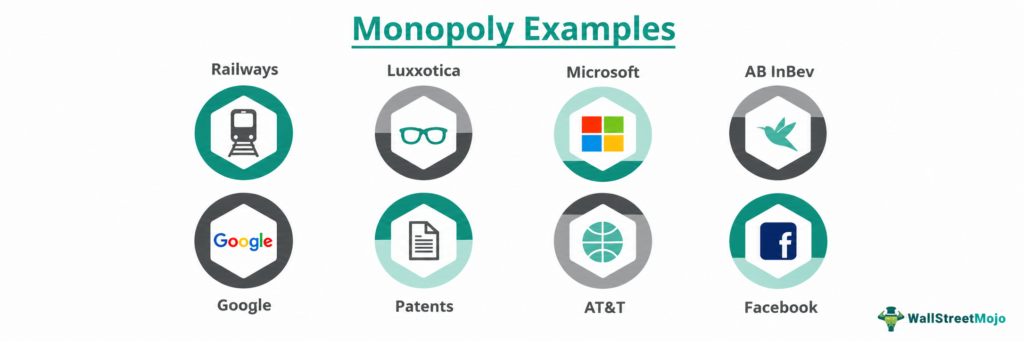
Real-World Examples of Monopoly Markets


Indian Railways
For many years, railway services in India operated mainly under government control.
Electricity Distribution Companies
Many cities still depend on a single electricity provider.
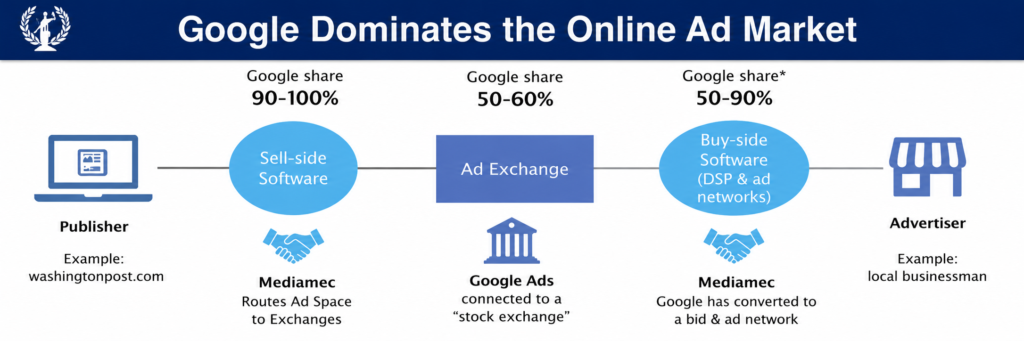
Google controls a major share of the global search engine market.
Microsoft
Microsoft once dominated the operating system industry.
Monopoly Market in the Digital Era

Today, monopoly power is no longer limited to traditional industries. Large technology companies now dominate many digital markets.
Examples include:
- Search engines
- Social media platforms
- Online advertising
- Mobile app ecosystems
These companies control:
- User data
- Digital visibility
- Advertising systems
- Platform access
This makes competition difficult for smaller businesses.
Monopoly Market and SEO

Monopoly markets also influence SEO and digital marketing.
Large brands often dominate search engine rankings because they already have:
- Strong authority
- High traffic
- Massive backlink profiles
- Bigger marketing budgets
For smaller businesses, targeting low-competition keywords is often a smarter SEO strategy.
Understanding market competition helps SEO professionals create stronger long-term growth plans.
Conclusion

A monopoly market is one of the most powerful market structures in economics. When a single company controls an industry, it gains significant influence over prices, supply, and customer behavior.
While monopolies can provide stable services, large-scale infrastructure, and innovation, they can also create problems such as higher prices and reduced competition.
In today’s digital economy, monopoly power is becoming increasingly common, especially among large technology companies. That’s why governments around the world continue creating regulations to maintain fair competition and protect consumers.
Whether you are studying economics, running a business, or learning SEO, understanding monopoly markets can help you better understand how industries operate in the modern world.
How Small Businesses Survive in a Monopoly Market
Running a small business in a monopoly market is never easy. When one large company controls most of an industry, smaller businesses often struggle to attract customers, build trust, and compete on pricing. Still, many small businesses manage to grow by using smart strategies instead of trying to fight large companies directly.
One of the most effective ways small businesses survive is by targeting niche markets. Rather than serving everyone, they focus on a specific audience with unique needs. This helps them build loyal customers and avoid direct competition with dominant companies.
Customer service also becomes a major advantage for smaller businesses. Large monopoly companies usually focus on mass operations, while smaller brands can offer personal support, better communication, and customized experiences. Many customers prefer businesses that understand their individual needs.
In the digital era, SEO and content marketing have become powerful tools for small businesses. Instead of spending huge amounts on advertising, businesses can attract visitors through helpful blogs, local SEO, and low-competition keywords. This allows smaller websites to gain traffic naturally over time.
Innovation is another important survival factor. Small businesses often adapt faster to changing trends because they are more flexible than large corporations. They can quickly improve products, test new ideas, and respond to customer feedback without long approval processes.
Social media has also created new opportunities. Even small brands can now reach thousands of people through creative content, short videos, and online communities. Strong branding and consistency can help businesses compete even in industries dominated by larger players.
Although monopoly markets create many challenges, they also encourage smaller businesses to become more creative and customer-focused. Companies that understand their audience, provide value, and build trust can still grow successfully, even in highly competitive industries.
Another important point about monopoly markets is their effect on customers’ daily lives. When competition becomes weak, customers usually lose the power to compare prices, quality, and services. In many cases, people continue using the same company simply because there are no better alternatives available in the market.
Monopoly companies may also create strong brand dependence over time. Customers become familiar with a single platform, product, or service, making it difficult to switch to another option later. This is very common in technology industries where users depend on one ecosystem for apps, software, storage, and communication.
At the same time, governments around the world continuously monitor large companies to ensure fair competition. Many countries have introduced anti-monopoly laws to stop companies from misusing their market power. These regulations help protect consumers, encourage innovation, and support smaller businesses entering the market.
For students and business owners, understanding monopoly markets is extremely valuable because it explains how powerful companies influence pricing, consumer behavior, and industry growth. In modern business environments, learning about monopoly structures also helps entrepreneurs identify market gaps and discover opportunities where smaller businesses can still compete successfully.These market structures also teach an important lesson about competition, innovation, customer satisfaction, and long-term business sustainability in modern economies.